

Renewable resources are nothing new. Wind and solar power have been at the forefront of a gradual shift towards clean energy for decades now. But given heightening climate concerns—on both...
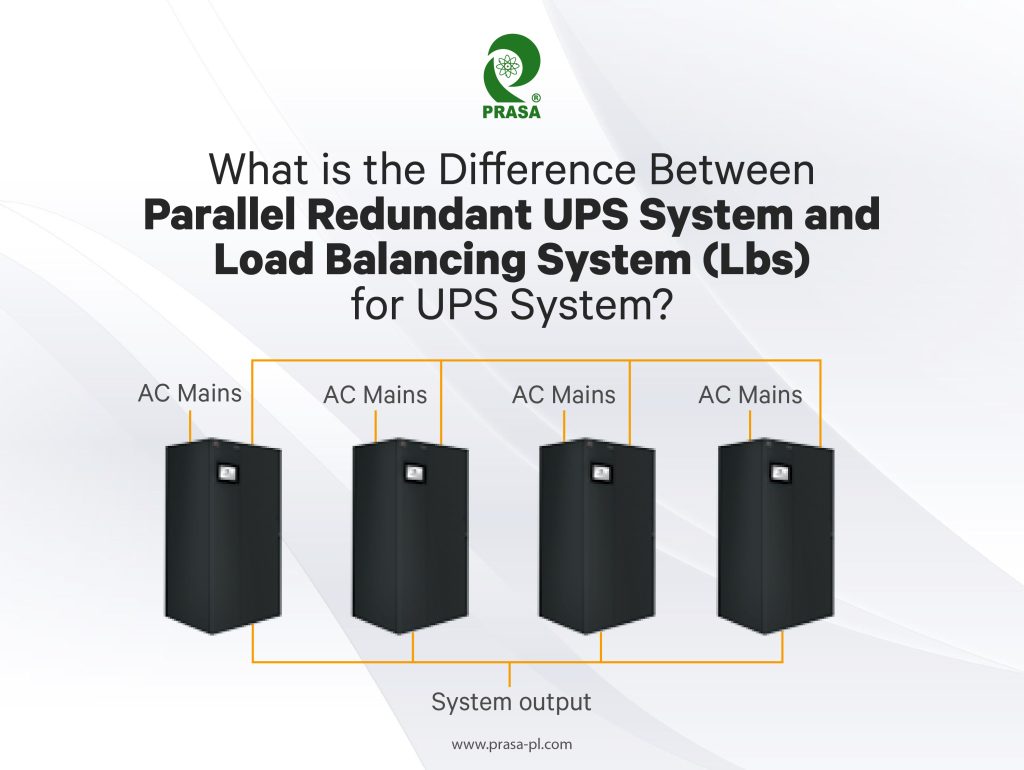
Parallel redundant UPS systems and load balancing systems (LBS) are two different approaches for ensuring power availability in data centers. Here are the key differences between the two: (1)UPS System…
Excitement is building in the data center industry over several cooling technologies that promise to make facilities more sustainable. These solutions include single-phase and two-phase immersion cooling and direct-to-chip cooling....
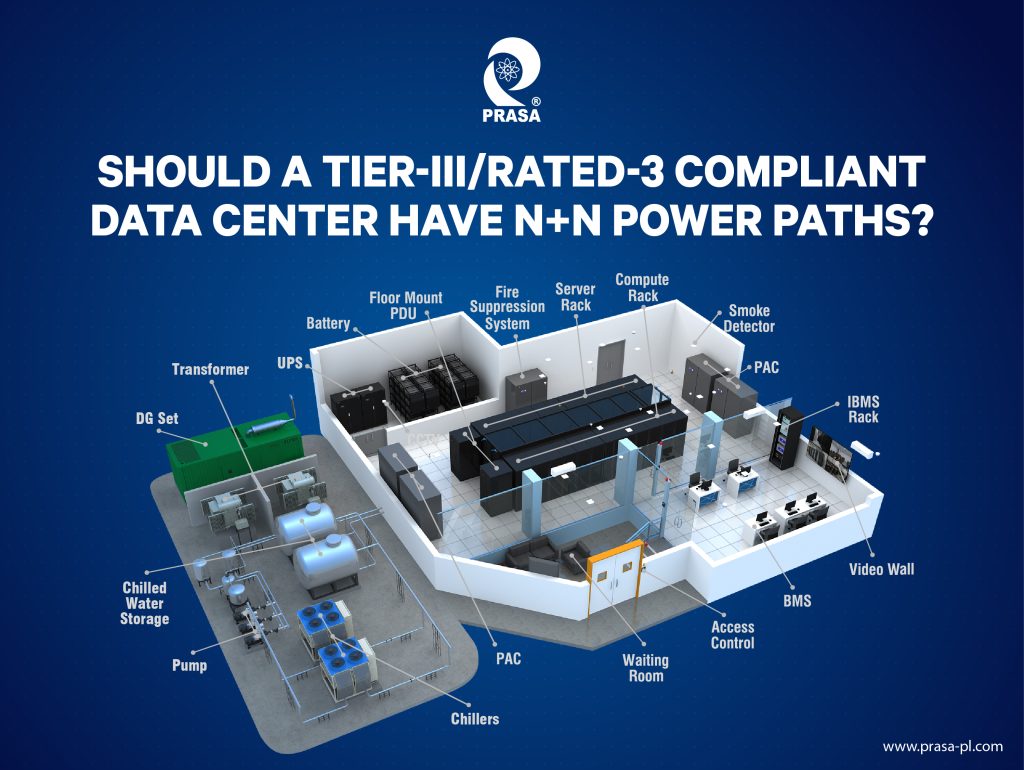
A Tier-III or Rated-3 data center rating, as defined by the multiple expert bodies, requires that the Data Center has redundant power and cooling systems to ensure high availability and...
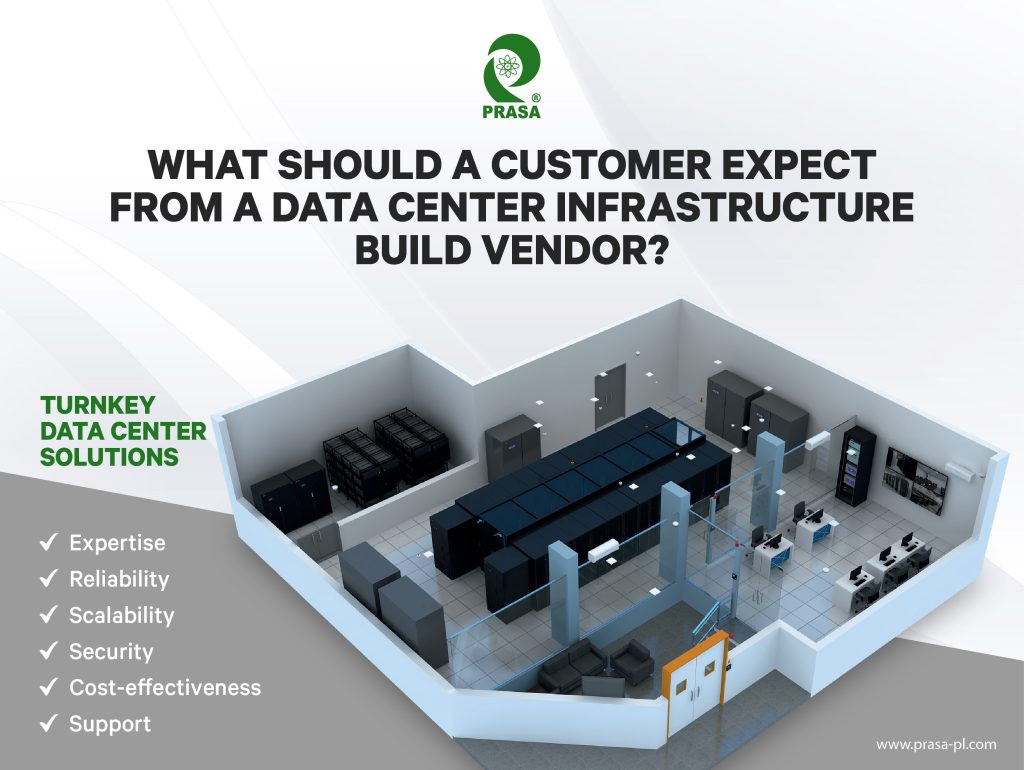
Customers expect a lot from a data center infrastructure build vendor, as data centers are critical components of their IT operations. Here are some of the key expectations that customers...
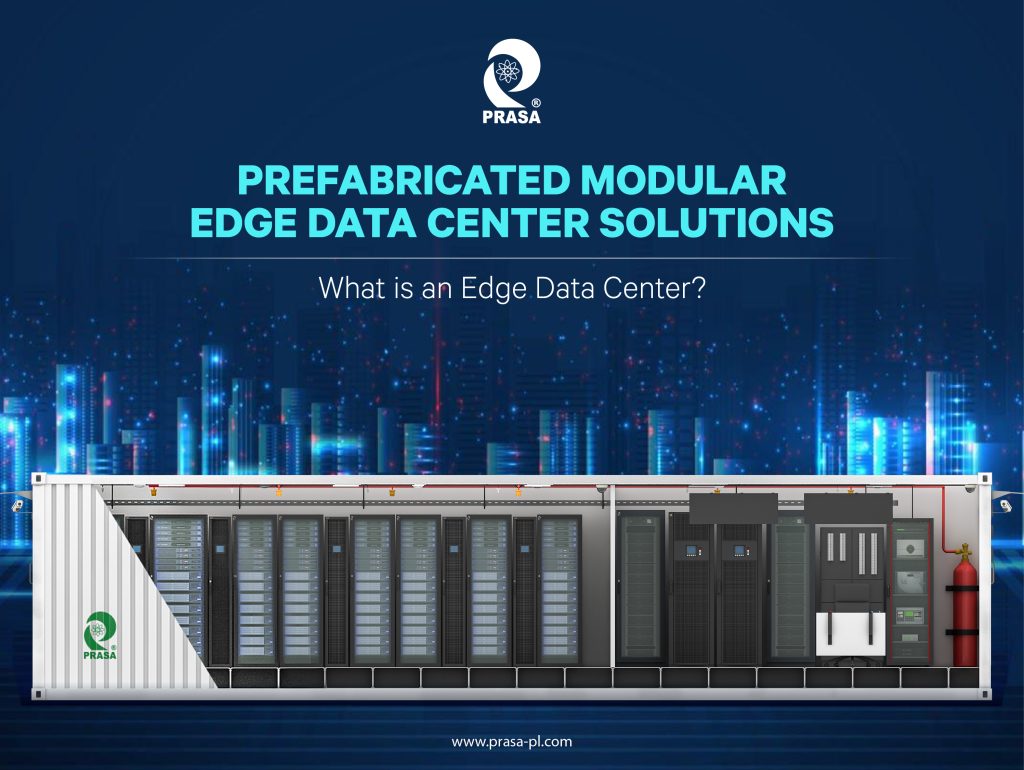
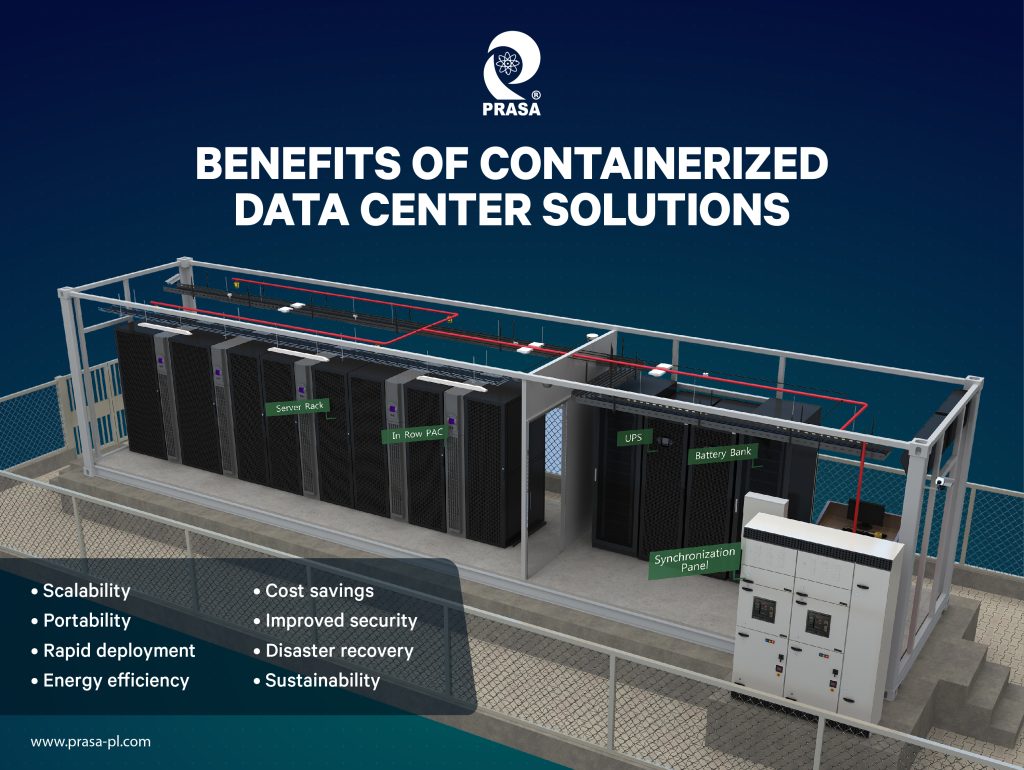
Containerized data centers are modular data center solutions where IT equipment, cooling, and power infrastructure are all housed in a shipping container. These data centers offer numerous benefits, including: 1....
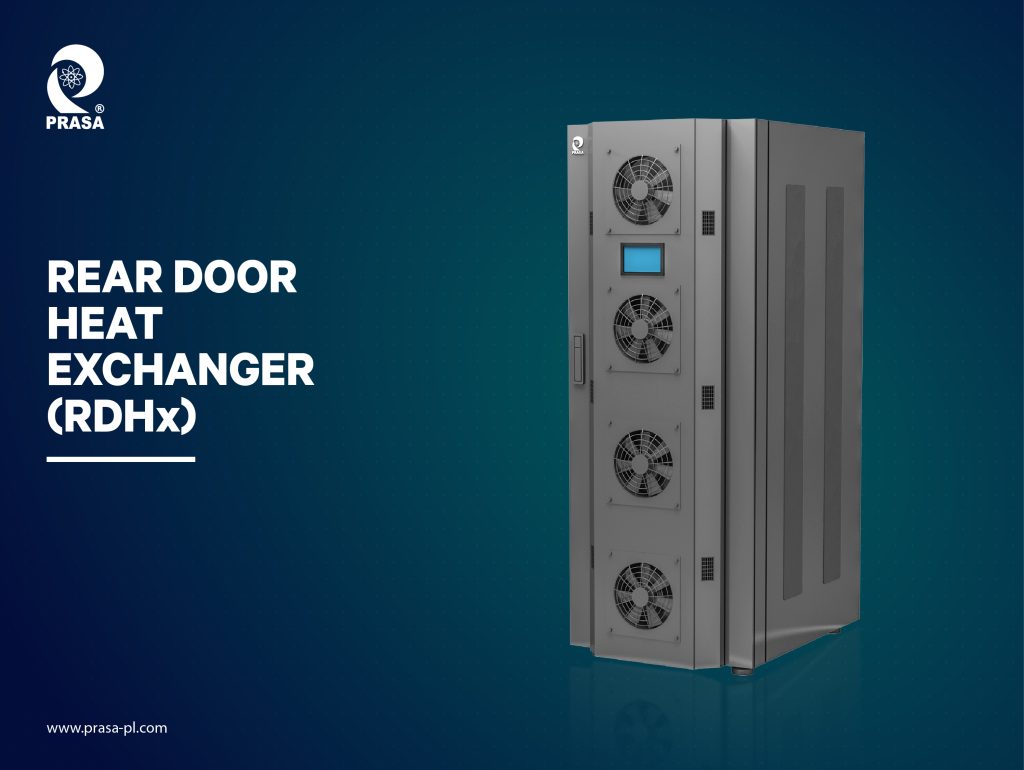
Rear door heat exchangers (RDHx) are a type of cooling solution used in data centers that work by removing heat from the exhaust air of IT equipment using a...
Satellite communications (SATCOM) is a type of wireless communication that involves the use of artificial satellites to provide telecommunications links between different points on Earth. The use of SATCOM has...
The advent of 5G has sparked a new era of technological advancement, enabling faster, more reliable, and more efficient data communication. However, 5G is not just about faster speeds or...
As the demand for faster and more efficient computing systems grows, data centers are constantly seeking ways to improve their cooling systems to manage the increasing heat produced by high-density...